What to Expect During a Professional Roof Certification
People seeking a roof certification can rely on local contractors to assess, inspect, and verify their roof's condition for safety and compliance.
If you're considering a professional roof certification, understanding what to expect during the process can help ease any concerns. Typically, property owners in the area turn to experienced local contractors to evaluate the condition of their roofs, whether for peace of mind, preparing for a sale, or ensuring compliance with insurance requirements. During a certification, a qualified service provider will thoroughly inspect the roof’s structure, materials, and overall integrity, providing a clear assessment of its current state. Knowing what steps are involved can make the experience more transparent and help property owners make informed decisions about maintenance or repairs.
Keep reading to learn more about how local service providers handle roof certifications and what aspects of the process are most important. These professionals focus on detailed evaluations to identify potential issues early, offering insights that can extend the life of the roof and prevent costly repairs down the line. Whether it’s a routine check or a specific concern, understanding what to expect during a professional roof certification can help property owners feel confident in the expertise available within the community.
- Roof Inspection - homeowners may need this service when preparing for a roof certification to identify existing issues and ensure the roof meets safety standards, with local contractors conducting thorough visual assessments.
- Roof Damage Assessment - individuals dealing with storm damage or suspected leaks can rely on local service providers to evaluate the extent of damage and determine certification readiness.
- Roof Condition Evaluation - clients seeking to verify the integrity of an aging roof or during property transactions can have local pros perform detailed inspections to assess overall condition.
- Leak Detection - during a roof certification process, local contractors can identify hidden leaks or moisture intrusion that might affect the roof’s certification status.
- Structural Inspection - property owners may request this when there are concerns about roof framing or support structures, with local experts inspecting for safety and stability.
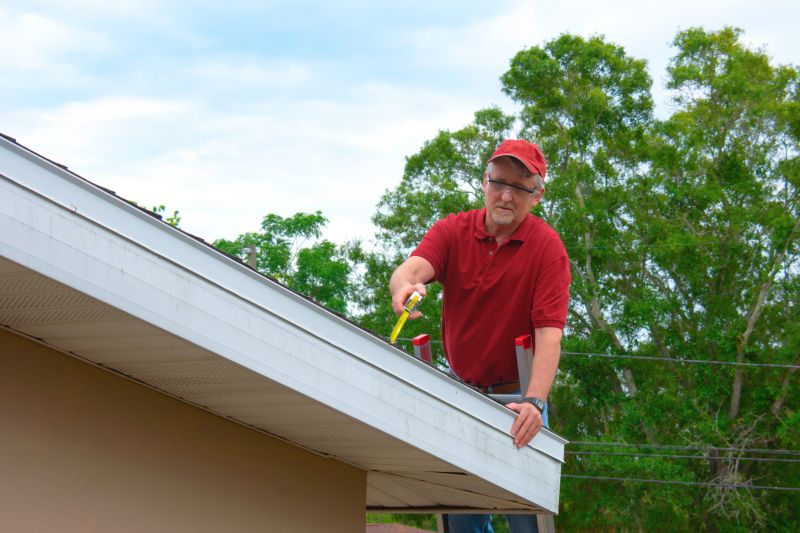

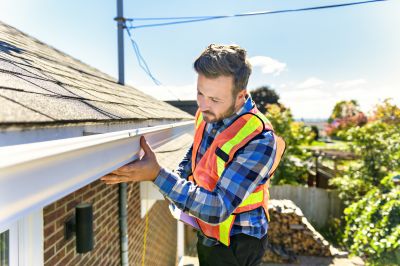
A professional roof certification is a detailed assessment that evaluates the condition and integrity of a roof. When people search for what to expect during a professional roof certification, they are often preparing for specific projects such as home sales, insurance claims, or property inspections. Typically, homeowners or property managers want to ensure that the roof is in sound condition before making major decisions or investments. This process involves a thorough examination of the roof's components, including shingles, flashing, gutters, and ventilation systems, to identify any existing issues or potential problems that could develop over time.
The certification process is closely related to various property plans and repair concerns. For example, a roof certification can serve as a prerequisite for selling a home, providing buyers with confidence in the property's condition. It is also commonly requested after storm damage or when a property owner suspects leaks or deterioration. In addition, property owners may seek a certification as part of routine maintenance or to verify the roof’s status before undertaking upgrades or renovations. Local service providers specializing in roof assessments are equipped to handle these evaluations, providing detailed reports that help property owners make informed decisions about repairs, replacements, or ongoing maintenance.
The types of properties that typically come up during a roof certification include single-family homes, multi-unit residential buildings, commercial properties, and even some industrial facilities. Residential properties are the most common, especially those with older roofs or those in areas prone to severe weather. Commercial buildings, such as retail centers or office complexes, also require regular roof assessments to ensure safety and compliance. These properties often have different roofing systems, such as flat roofs or metal panels, which require specific expertise from local contractors. Whether it’s a small home or a large commercial site, local pros can perform comprehensive inspections tailored to each property’s unique roofing system.
During a professional roof certification, property owners can expect a detailed evaluation that may include visual inspections from the ground and on the roof, as well as the use of tools to check for hidden issues. The process typically involves inspecting for signs of damage, wear, or leaks, and evaluating the overall condition of roofing materials and structural elements. The inspector will document findings, noting areas that need attention and providing recommendations for repairs or further assessments if necessary. Understanding what to expect during a professional roof certification helps property owners prepare for the inspection and ensures they receive a clear, accurate assessment from qualified local service providers, supporting their plans for maintenance, sale, or insurance purposes.
Roof Inspection Services - Professionals perform detailed assessments of roof conditions, which are essential for understanding the current state before a certification process begins.
Roof Repair Projects - Repair work involves identifying and fixing issues that could impact certification, requiring similar planning and inspection skills used in certification evaluations.
Roof Replacement Services - Replacing a roof involves thorough planning and assessment, aligning closely with the inspection and evaluation steps in a roof certification process.
Storm Damage Assessment - Evaluating damage caused by storms requires careful inspection and documentation, skills that are also used during a professional roof certification.
Preventive Maintenance Services - Regular maintenance includes inspections and minor repairs, which help ensure a roof meets certification standards over time.
Roof Ventilation and Insulation Projects - These projects involve evaluating roof components and systems, similar to the detailed inspections performed during a roof certification.
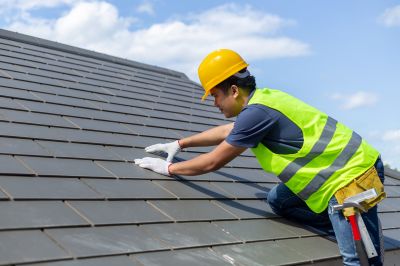
When evaluating service providers for a roof certification, it is important to consider their experience with similar projects. Homeowners should seek out local contractors who have a proven track record in conducting thorough roof assessments, especially those familiar with the specific types of roofing materials and structures present on their property. An experienced professional is more likely to identify potential issues accurately and provide a comprehensive evaluation, helping to ensure that the certification process is both reliable and informative.
Clear and detailed written expectations are essential when comparing local pros for roof certification services. Homeowners should look for providers who can outline what the certification process entails, including the scope of inspection, what areas will be evaluated, and any potential follow-up steps or documentation provided. Transparent communication about what the certification covers helps set realistic expectations and allows homeowners to make informed decisions about which service provider best meets their needs.
Reputable references and strong communication skills are key indicators of a trustworthy local contractor. Homeowners are encouraged to seek out reviews or testimonials from previous clients who have had similar roof assessments. Good communication ensures that questions are answered promptly and thoroughly, and that any concerns are addressed throughout the process. Selecting a service provider who demonstrates professionalism in their interactions can contribute to a smoother, more transparent certification experience.
Property owners often search for what to expect during a professional roof certification when they are planning practical projects around their homes and businesses. Local pros provide Roof Certification services for everyday jobs and straightforward project options.

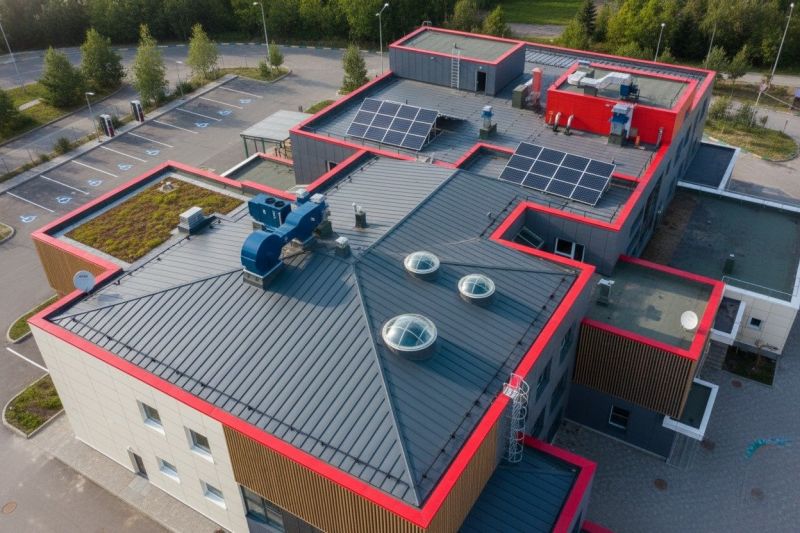
During a professional roof certification, property owners in the area can expect a thorough inspection process that assesses the overall condition of the roof. Local contractors typically examine key components such as shingles, flashing, gutters, and ventilation systems to identify any signs of damage, wear, or potential issues. This inspection often involves walking on the roof to check for loose or missing materials, as well as inspecting the attic or interior spaces for signs of leaks or structural concerns. The goal is to provide a clear understanding of the roof’s current state and determine whether it meets safety and performance standards.
Homeowners and property managers often seek roof certification services to ensure their roofs are in good condition before listing a property for sale, refinancing, or undertaking major repairs. Many also consider certification to verify the integrity of their roof after severe weather events or to plan ongoing maintenance. Local service providers can handle these inspections efficiently, offering detailed assessments that help property owners make informed decisions about repairs or upgrades. Knowing what to expect during a professional roof certification can simplify the process and provide peace of mind regarding the roof’s reliability and safety.
What does a roof certification process typically include? A roof certification usually involves a thorough inspection of the roof's condition, including checking for damage, wear, and potential issues. Local contractors assess the roof’s structural integrity and identify areas that may need repair or maintenance to ensure it meets safety standards.
How long does a professional roof certification take? The duration depends on the size and complexity of the roof, but generally, local service providers conduct the inspection efficiently without extensive disruption to the property. They focus on providing a comprehensive assessment during the scheduled appointment.
What should I expect during the inspection? During the roof certification, a technician will examine the roof surface, flashing, shingles, and other components, often using ladders or drones. They may also assess attic spaces if accessible, to evaluate the roof’s overall condition and identify hidden issues.
Will the certifier identify potential problems? Yes, part of the process involves pinpointing any existing damage or areas at risk of future issues. Local pros will inform about necessary repairs or maintenance to uphold the roof’s safety and longevity.
Is the certification process disruptive to my property? Usually, the process is straightforward and minimally invasive. Professionals aim to complete the inspection efficiently, causing little disturbance to your property while thoroughly evaluating the roof’s condition.
Understanding inspection procedures - property owners can learn what aspects of their roof will be examined during a professional certification to prepare for the assessment.
Assessing roof condition - property owners can identify potential issues that may be checked or addressed during the certification process with the help of local contractors.
Reviewing documentation requirements - property owners can gather necessary records or previous inspection reports that may be needed for the certification process.
Planning for repairs or maintenance - property owners can use the certification process as an opportunity to schedule necessary repairs with local service providers to ensure their roof meets standards.
If you are thinking about what to expect during a professional roof certification for a property, this guide is meant to help you understand this topic, the typical project types, and how different options might fit your plans.
When you are ready, you can use the quote form on this page to share a few details about your project. From there, local pros can review the basics and follow up with options that match what you have in mind.